
What companies buy in wellness and what gets ignored
corporate wellness is shifting fast, here’s what gets budget approved

Hola amigos,
I hope you’re having a great Thursday!
You might be wondering why you’re receiving an email from me midweek. It’s because something big just happened: The Future of Wellness Trends 2026 conference took place in New York a couple of days ago, and I’ve got exclusive data to share that could change the trajectory of your wellness journey.
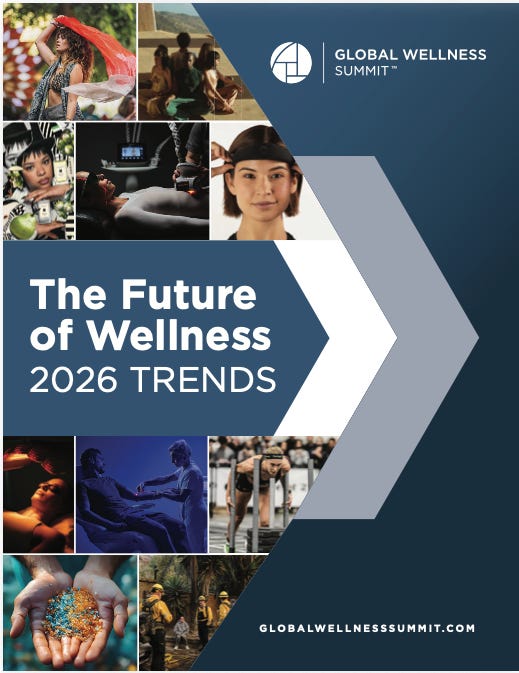
So, why should you care?
Because the wellness industry is at a turning point, and toxic perfectionism is at its core. The rush to achieve an unrealistic “ideal” has seeped into every aspect of our lives, creating an environment where our mental health often takes a backseat to unattainable standards.
Guess what? A new wave of wellness is emerging, one that prioritizes human connection, emotional well-being, and embracing imperfection.
Wellness in 2026 is About Being Human Again
Over the past decade, the wellness world has been hijacked by an obsession with “optimization”, be it through high-tech wearables or extreme biohacking. But as the data from the 2026 Global Wellness Trends shows, we are now seeing a pushback. People are tired of the constant pressure to be perfect.
This shift is essential for wellness professionals to understand, especially if you’ve been caught up in the race for optimization.
There is a growing demand for emotional well-being, mental health, and experiences that embrace imperfection.
In 2026, wellness will be less about “peak performance” and more about connection, healing, and human-centered care.
If you’re a nutritionist, trainer, or wellness entrepreneur, this is where you need to pivot, because the future of wellness is embracing imperfection. The $53 Billion Blind Spot: Corporate Wellness Needs You.
Now, let’s talk about this exciting opportunity that’s been hiding in plain sight: Corporate Wellness.
The UAE is now officially the fastest-growing wellness market, with an annual growth rate of 14.3%. But the industry is currently facing a major leadership vacuum, particularly when it comes to corporate wellness. Here’s why:
Consumers are shifting from simply purchasing products to demanding healthy environments at work—investing in better air quality, human-centered lighting, and longevity-focused workspaces.
Corporate wellness is growing at a sluggish pace of just 0.7%, leaving a $53 billion gap in the market.
This is where you come in. As a wellness expert, you can step into this gap and lead the charge for integrating true wellness into corporate environments. No more perks like gym discounts. The future lies in creating spaces that promote health and longevity.
Exclusive Trends to Watch:
The Over-Optimization Backlash – People are pushing back on extreme wellness measures. This year, we’ll see wellness trends moving away from biohacking toward more holistic, emotionally fulfilling experiences.
The Rise of Neurowellness – Focused on regulating the nervous system for better resilience and emotional stability, neurowellness will be a central theme in 2026.
Longevity Residences – Homes designed not just for comfort but for healthspan will rise. Expect more innovations in wellness real estate that integrate preventive medicine directly into your home.
Hasta la vista, amigos!
P.S This Saturday, I’ll be sending out an exclusive email including how to get free access to The Global Wellness Economy Country Rankings—no paywall, just valuable insights for all subscribers!
Unlock Your 1 AED Wellness Leadership Opportunity
For just one dirham a day, I’m sharing the frameworks that helped me become a Chief Wellness Officer, and just one of these frameworks could transform your approach to wellness and lead you toward six-figure corporate contracts. Every week, I share a portion of my brain with you.
To dive deeper into these exclusive insights and frameworks, sign up for The Wellness Leadership Institute and unlock the full spectrum of trends shaping the wellness industry in 2026.
Hi Diego. This captured the shift really clearly, especially the move away from optimization toward connection and nervous system health. The framing of imperfection as both human and strategic made the corporate wellness gap feel real.