
The corporate wellness gold rush is about to hit the GCC
Here's how health professionals can capitalize on it


Hola amigos,
It’s 6:11am.
I’m at McDonald’s downstairs with a black coffee.
21 degrees, gentle breeze off the Arabian Sea.
Yesterday in Abu Dhabi, I walked through the F&B outlets across the bank.
I reviewed food offerings, customer feedback, and foot traffic.
Today I will focus on light, air, and sound because environmental design is the core of our 2027 strategy.
The Global Wellness Institute’s research on workplace environment as a performance lever is the clearest evidence base in corporate wellness, and most companies still haven’t read it.
Every week, hundreds of proposals land in my inbox from talented professionals.
Most are qualified.
Many are overqualified.
Those proposals are the reason why I am writing this issue this morning.
In the next five minutes, you’ll learn:
Why the GCC is the most underserved corporate wellness market
The three positions you can take to enter it today
The exact language corporate buyers respond to every time
What the US got wrong
This week, the Global Wellness Institute released new data: the US wellness economy has hit $2.1 trillion.
Per capita wellness spending crossed $6,293.
The corporate wellness market alone is projected to reach $130 billion by 2033.
Impressive numbers.
But look closer, and the picture shifts.
90% of US employees experienced burnout symptoms in the past year.
30% are in what researchers now call “silent "burnout"—exhaustion that goes completely undetected by HR until it escalates into attrition, disability claims, or worse.
And now, GLP-1 drugs have become a retention weapon.
A recent survey found that 31% of employees would consider switching employers for Ozempic coverage.
When companies drop coverage, over 30% of employees report decreased motivation.
Yet 65% of large US employers still exclude weight loss indications entirely.
The US turned corporate wellness into a reactive cost because it waited until the problems forced its hand.
Burnout became a liability.
GLP-1 coverage became a talent war.
Wellness spend became defensive infrastructure, not a competitive advantage.
95% of US companies that track wellness ROI report positive returns.
The problem is that most of them only started tracking after the damage was already in the P&L.
Why the GCC is in a different position
The GCC did something the US did not. It built the policy infrastructure first.
The UAE National Wellbeing Strategy 2031 made population wellbeing a government KPI before corporate adoption forced it.
Saudi Arabia’s Vision 2030 put quality of life at the center of economic diversification.
Qatar’s National Health Strategy set prevention targets that most private-sector employers haven’t even read yet.
The data confirms the trajectory.
According to the Global Wellness Institute’s 2026 Country Rankings, the UAE is now the fastest-growing major wellness market in the world—14.3% compound annual growth over the past five years.
The total UAE wellness market is $40.8 billion.
Saudi Arabia sits at $41.56 billion with 12.2% growth.
The entire MENA region has grown to $190.1 billion — 142% of pre-pandemic levels.
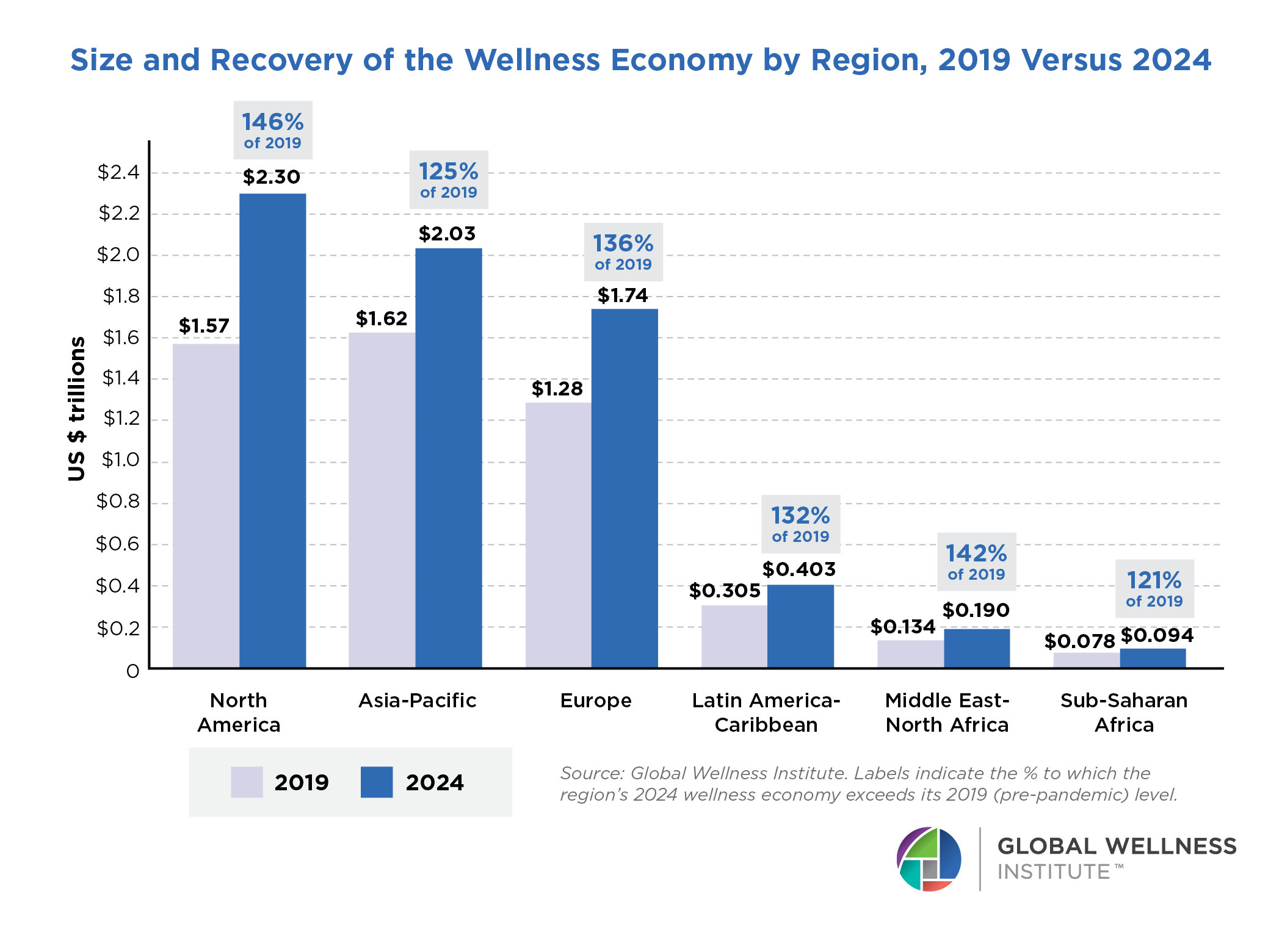
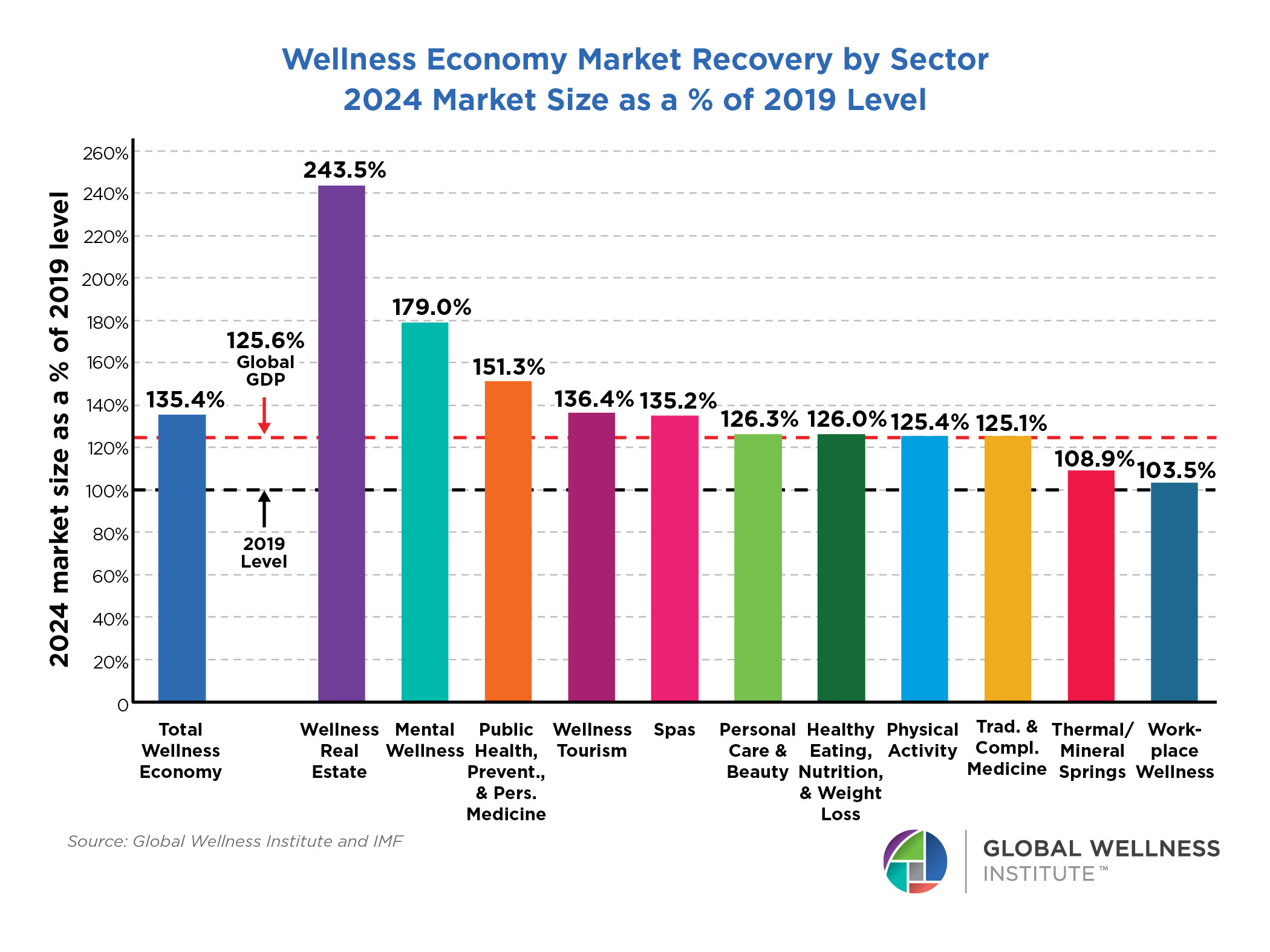
But here is the number that matters most: workplace wellness in the MENA region is a $1.88 billion market, and only 9.55% of workers have access to any program.
In North America, that figure is 46%.
The demand is there.
The government backing is there.
The budgets are there.
What is missing is the supply side, professionals who can translate wellness into the language that gets corporate budgets released.
The opportunity window
Back to those proposals.
Most of them describe wellness the way wellness people describe wellness: passion, transformation, and journey.
None of those words exist in a finance committee’s vocabulary.
The proposals that are funded read differently.
They sound like this:
“I reduce presenteeism by 18% in six months. Here is the measurement framework. The pilot costs less than one resignation.”
That is what gets a contract.
The gap between what most professionals send me and what I can actually approve is not their fault.
Nobody taught them the language.
There is no certification for it.
And right now, across the GCC, there are thousands of qualified practitioners with the same gap, sitting across from buyers who would fund their work tomorrow if they knew how to ask for it.
The US is spending $130 billion on corporate wellness because it has to.
The GCC has not hit that inflection point yet.
The cost curve is still low.
The talent market has not priced wellness in.
Regulation has not forced anyone’s hand.
That is a first-mover window.
The companies and professionals who build corporate wellness infrastructure in the GCC now, before the market forces them, are the ones who will own this space.
Why?
Because they arrived before the competition.
The question every health professional in this region should be asking is not, “is there a market?”
The data has answered that.
The question is, “how do I position myself to capture it before the window closes?”
What you get below the paywall
The 3-Position Framework
The three roles a health professional can take to enter corporate wellness, with the buyer profile, revenue model, and entry language for each.
The Boardroom Translation Table
The exact language that opens doors with corporate buyers. A side-by-side of what most professionals say versus what actually gets a contract signed.
3 Ready-to-Use AI Prompts
Copy-paste tools you can use in the next hour to:
Position yourself in the right entry point
Draft your first corporate pitch (without using the word “wellness” in the first sentence)
Build a measurement framework that gets approved by a leadership team
The bonus no one gives you: every framework, table, and prompt below is built from inside the room, what I actually approve, reject, and ask for as Chief Wellness Officer.
This information took me 8 years inside corporate wellness to figure out.
You can have it in the next 5 minutes.
Less than 1 AED a day.
Keep reading with a 7-day free trial
Subscribe to Wellness Intelligence to keep reading this post and get 7 days of free access to the full post archives.