
73% of wellness pitches die at budget approval
Swap this one thing and the same proposal gets signed

Hola amigos,
My weekend went eggcellent.
That’s all I had, breakfast, lunch, and dinner. Except the Sunday pastrami.
You’ll wonder why I added the photo below. And if you do, we can’t be friends.
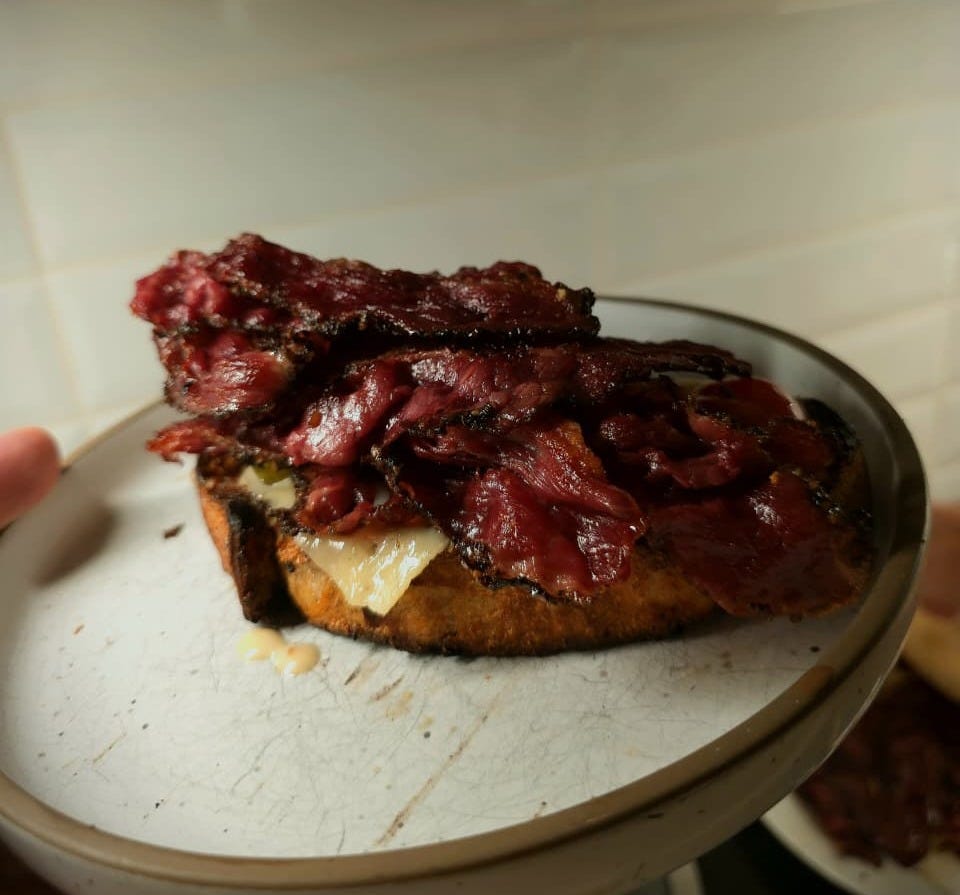
I know it is unprofessional to include a food photo in a serious wellness intelligence report.
That’s precisely why most wellness proposals fail.
Especially when you’re pitching a CEO.
I’ve worked with many. All of them share a common trait.
They want to know the human. They’re tired of fancy language and technical jargon.
When you pitch wellness, yes, they’re hiring your knowledge.
But also your personality. Your charisma. Your taste.
And if you can plate macros like that, you’ve already proven you know nutrients.
Bonus.
Most wellness pitches die for the same reason
Wellness professionals speak the language of feelings, outcomes, and aspirations.
Corporates speak the language of P&Ls, claims data, and budget lines.
They are not the same vocabulary.
When a wellness pro says “we’ll improve engagement,” the CEO hears a promise without a metric.
When a wellness pro says “this will reduce stress,” the CEO hears a feeling without a number.
When a wellness pro says “we’ll build a healthier culture,” the CEO hears nothing they can put in a slide for the board.
According to Marketing for Health Coaches’ 2025 industry survey, 73% of corporate wellness pitches fail at the budget-approval stage even when the proposed work is technically sound.
The work isn’t the problem.
The bridge is.
What CEOs actually buy
Three data points reframe the entire pitch:
First. Companies that invest in workplace wellness see $3.27 in medical cost savings per $1 spent, plus $2.73 in absenteeism reduction. Total: $6 returned per $1 invested. (Source: Baicker, Cutler, Song — Harvard Health Affairs meta-analysis.)
Second. Per Gallup’s 2026 State of the Global Workplace, employee engagement collapsed to 21% globally in 2025— costing the world economy $8.9 trillion annually. That number is now in the FT, the WSJ, and every Davos panel. Every CFO has seen it.
Third. Aon’s 2025 utilization report shows medical claims have a 98% loss ratio. Top three drivers: respiratory conditions, diabetes, cancer. All three are preventable or postponible through workplace intervention.
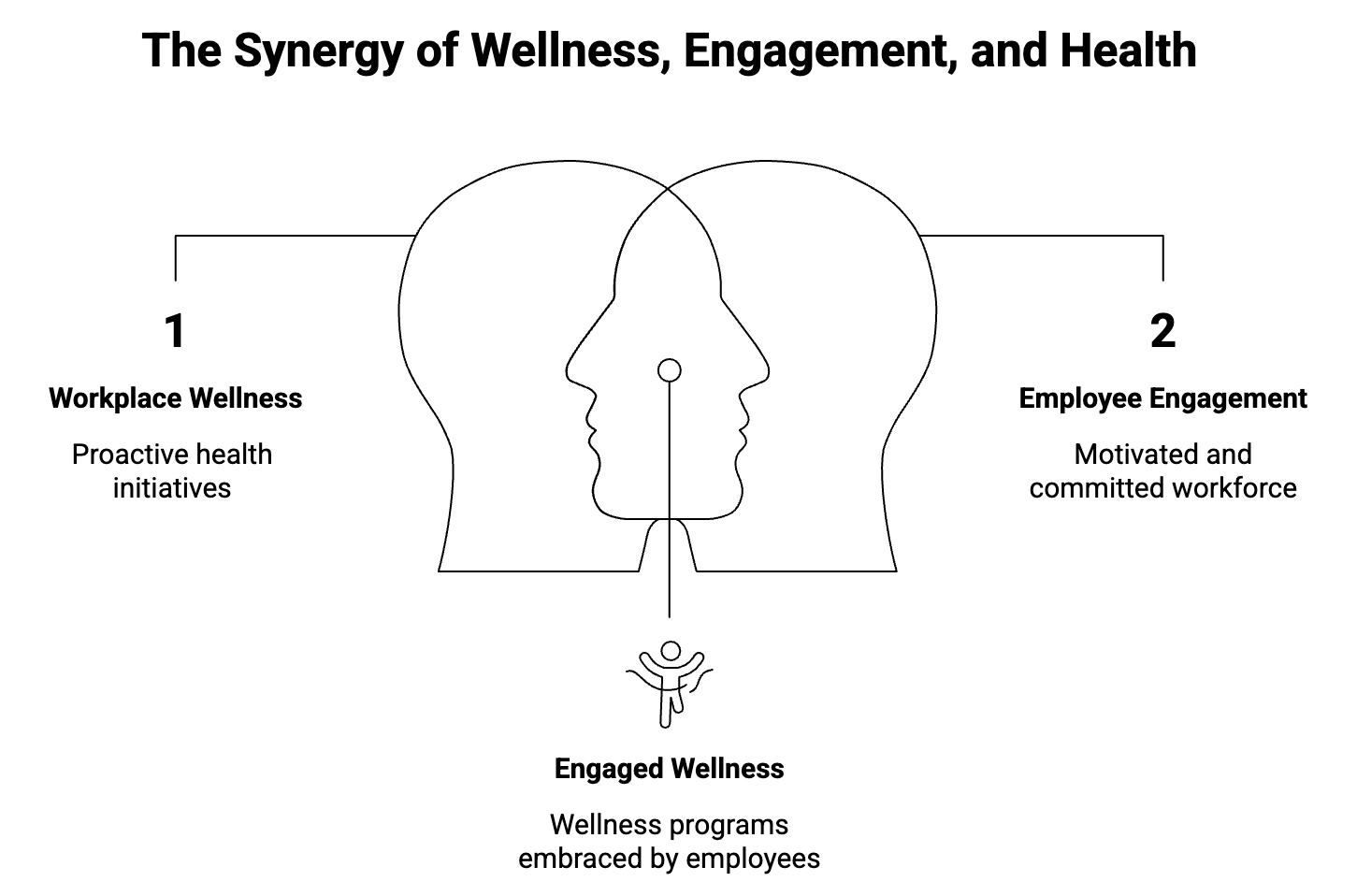
These three numbers are the language the CFO already speaks.
The wellness pro who pitches without them is inviting a polite decline.
The corporate translation
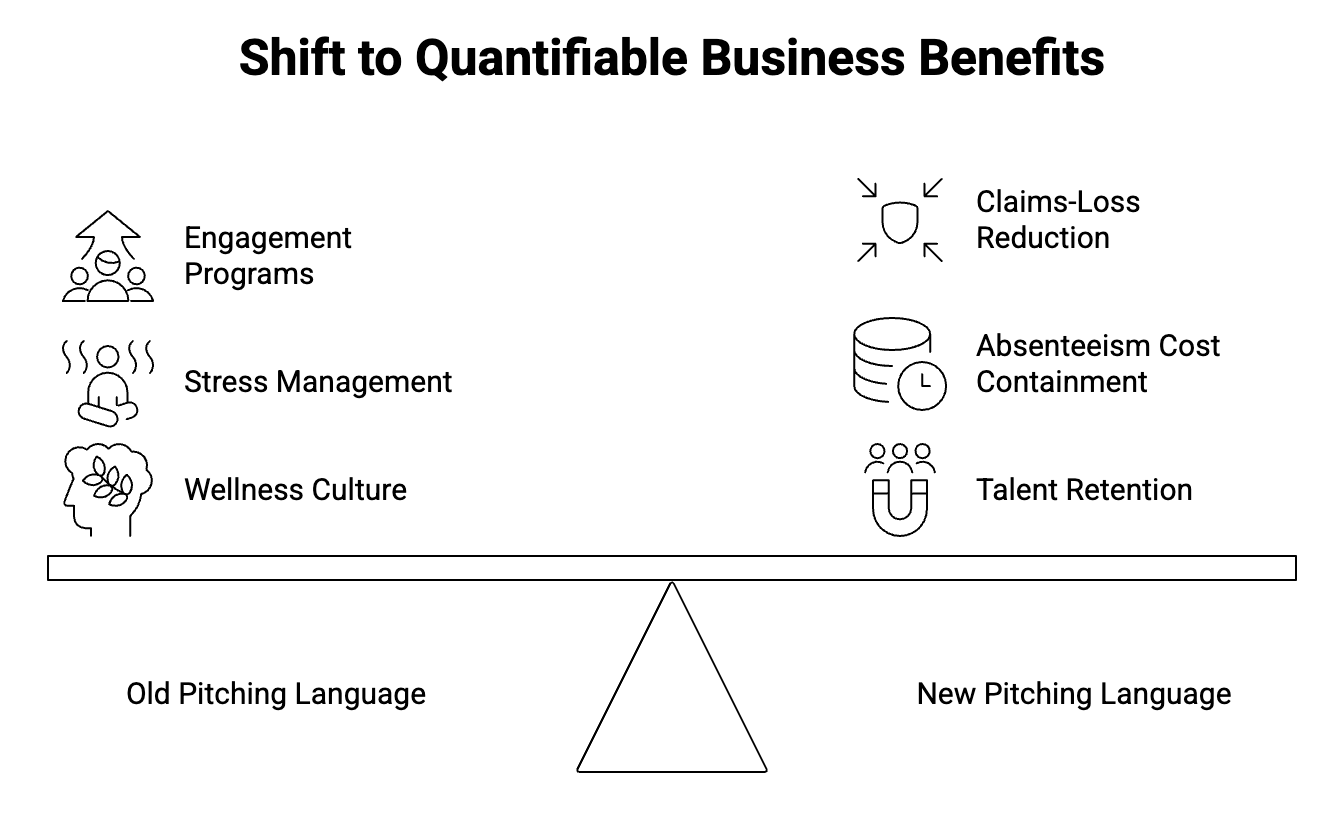
Stop pitching “engagement programs.”
Start pitching “claims-loss reduction interventions.”
Stop pitching “stress management.”
Start pitching “absenteeism cost containment.”
Stop pitching “wellness culture.”
Start pitching “talent retention with quantified return.”
Same work. Different budget line. The framework below is the translation engine.
Below: the 3 sentences that get a CEO to sign. Plus the Claude prompt to pre-screen every proposal. Birthday rate: under 1 AED a day. 3 days left before it goes up.